Global Trade Management: A Practical Guide for Modern Exporters
Global trade is no longer simply buying and selling across borders. Today, global trade management is about controlling complexity - regulations, documentation, logistics, finance, compliance, and data - all at the same time.
If you are an exporter, trader, or global trading company, you already know this truth:
Growth in international trade does not fail because of demand.
It fails because operations break.
This blog is written for exporters who are actively doing import and export, not students or consultants. We will talk about real problems, real systems, and real decisions that matter when you operate in global trade.
What Is Global Trade Management?
Global trade management (GTM) is the structured way to manage end-to-end international trade operations - from customer PO to final payment - while staying compliant with global rules and regulations.
In simple words, it covers:
- Import and export documentation
- Trade compliance and regulations
- Customs clearance processes
- Logistics and shipment tracking
- Duties, incentives, and benefits
- Trade finance visibility
- Data, reporting, and audit readiness
- Payment terms and banking
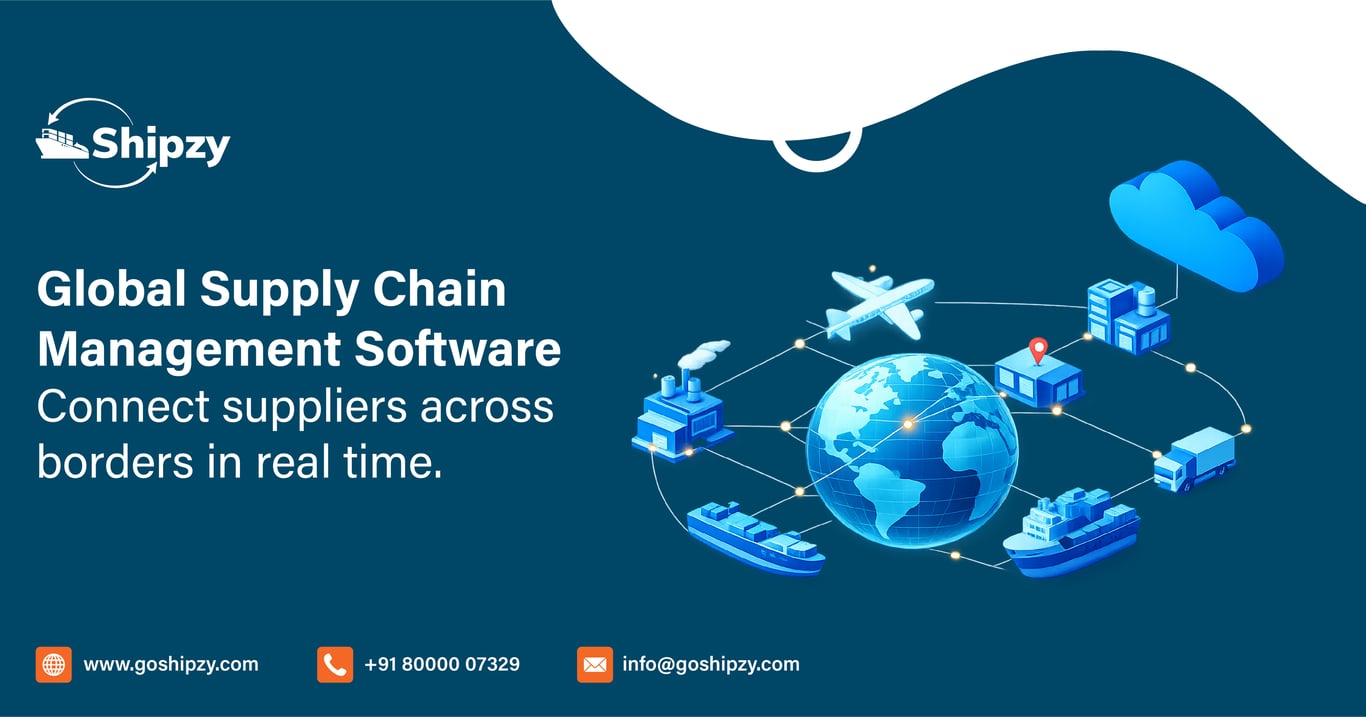
Unlike traditional SCM software, global trade management focuses specifically on cross-border complexity, not just internal supply chain movement.
Why Global Trade Management Matters More Than Ever
10 years ago, exporters could survive with:
- Excel sheets
- Email threads
- CHA follow-ups on WhatsApp
- Manual compliance tracking
That model is completely broken today.
Here’s why:
- International trade regulations are tightening
Governments want more transparency, more reporting, and more traceability. - Buyers expect faster execution
Buyer compares your speed with other suppliers. Delays in documentation or compliance can cost you export contracts. - Margins are shrinking
Operational inefficiency directly eats profit in global trading. - Audits are becoming common
One missing document can stop incentives or shipments.
In short, exporters who don’t invest in global trade management systems lose control as they scale.
Global Trade vs Supply Chain Management (Important Difference)
Many exporters confuse global trade management with supply chain management or SCM software.
They are not the same.
|
Area |
Supply Chain Management |
Global Trade Management |
|
Focus |
Internal flow of goods |
Cross-border trade |
|
Geography |
Mostly domestic |
International |
|
Compliance |
Minimal |
Heavy |
|
Customs |
Not included |
Core component |
|
Trade regulations |
Rare |
Mandatory |
|
Government portals |
No |
Yes |
SCM software helps you plan inventory and production.
Global trade management ensures your goods legally and smoothly cross borders.
For exporters, GTM is not optional - it’s survival infrastructure.
Core Components of Global Trade Management
Let’s break global trade management into real operational blocks exporters deal with every day.
1. Import and Export Documentation
Documentation is the backbone of international trade.
A single shipment can involve:
- Proforma Invoice
- Commercial Invoice
- Packing List
- Shipping Bill
- Certificate of Origin
- Insurance documents
- Bank documents
Without a structured system, exporters face:
- Data mismatch
- Amendments / rework
- Delays
- Compliance risks
- Amendments penalties by authority
A proper global trade management approach ensures one data source, reused across all documents.
2. Trade Compliance & Regulations
Every exporter operates under:
- Country-specific laws
- Product-specific rules
- Buyer-specific compliance
This includes:
- Export compliance
- Import restrictions
- Sanctions and denied party checks
- Product classification
- License requirements
Global trade compliance is not about fear - it’s about predictability.
Exporters with strong GTM systems sleep better at night(possible..?).
3. Customs Clearance & Broker Coordination
Customs is where many exporters lose time and money.
Problems usually come from:
- Incorrect data
- Late document sharing
- Miscommunication with customs brokers
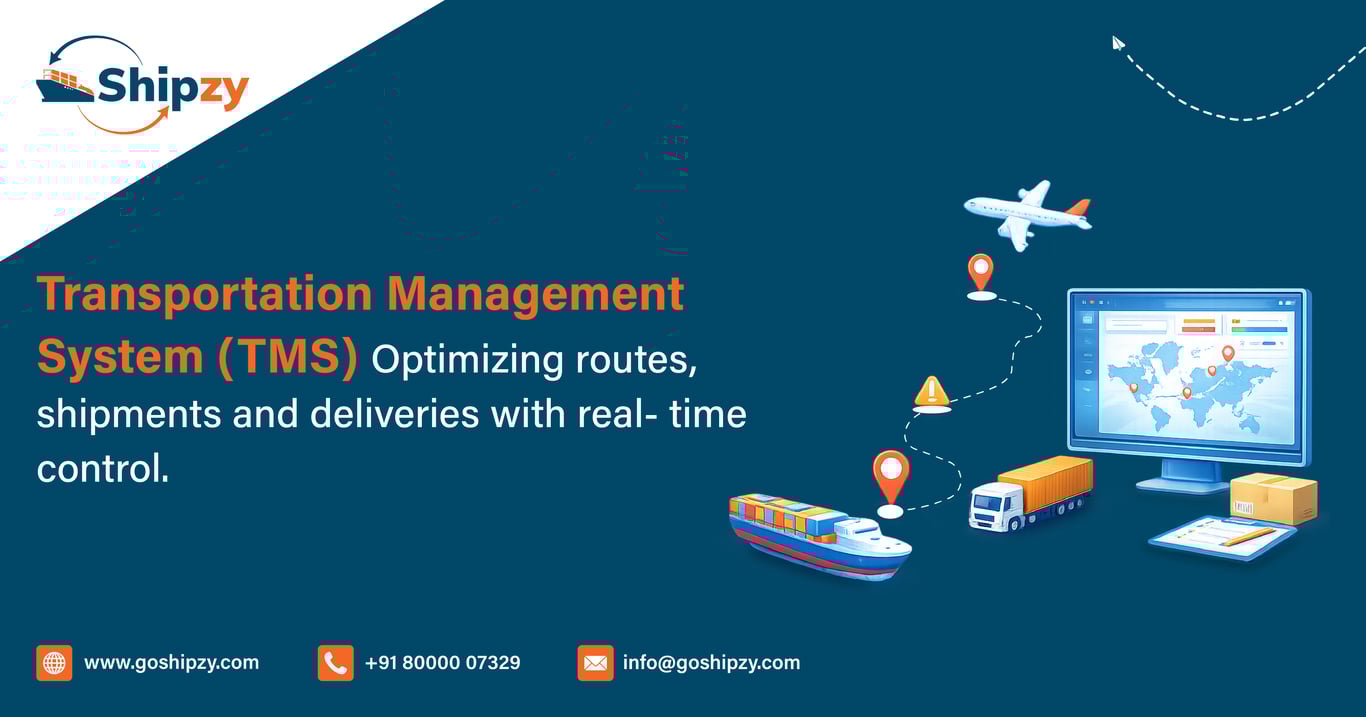
Global trade management software like Shipzy brings:
- Structured data sharing
- Clear audit trail
- Faster customs clearance
Whether you work with one CHA or ten, Shipzy keeps everyone aligned.
4. Logistics & Shipment Visibility
In global trading, logistics delays cost:
- Buyer trust
- Storage charges
- Working capital
- Buyers impose penalties on sellers for late delivery
Modern GTM systems like Shipzy integrate:
- Shipment milestones
- ETD / ETA tracking
- Container visibility
- Document readiness
Exporters don’t need fancy dashboards - they need clear answers:
Where is my shipment, what’s pending?, Purchase pending?, Payment pending?,and Loading due?
5. Trade Finance & Incentives
International trade is cash-flow intensive.
Exporters deal with:
- Advance payments
- Inward remittance tracking
- Incentives
- Compliance-linked benefits
Without visibility, exporters:
- Miss incentives
- Delay collections
- Struggle with banks
Global trade management connects operations with finance.
6. Data, Reporting & Global Trade Insights
Exporters who rely only on transactions miss the big picture.
A strong GTM approach gives insights like:
- Country-wise trade performance
- Product demand trends
- Buyer reliability
- Compliance risk zones
Many exporters use global trade info for market decisions - but only those with clean internal data can act on it.
Global Trade Management for Different Exporters
Not all exporters operate the same way.
Trading Companies
For traders, GTM focuses on:
- Faster documentation
- Multi-country compliance
- High transaction volume
- Margin visibility
Traders benefit most from automation using Shipzy.
Manufacturer-Exporters
They need:
- Integration between production and exports
- Batch traceability
- Compliance by product
GTM helps align factory output with global trade obligations.
Growing Exporters
As exporters scale:
- Excel fails
- Errors increase
- Teams become dependent on individuals
Global trade management introduces process stability.
Common Mistakes Exporters Make in Global Trade Management
Based on real exporter experience, these mistakes are common:
- Treating GTM as “documentation software”
- Ignoring compliance until something goes wrong
- Over-customizing processes
- Depending on individuals instead of systems
- Delaying automation due to cost fear
Opinionated truth:
Exporters don’t lose money by investing in GTM software.
They lose money by avoiding it.
Global Trade Management Software: What Exporters Should Look For
When evaluating global trade management software, exporters should focus on practical capability, not brand names.
Key questions to ask:
- Does it cover the full import and export lifecycle?
- Can it adapt to different countries?
- Does it reduce manual work?
- Is data reused across documents?
- Does it help with compliance checklist, not just records?
Avoid systems that:
- Are too generic
- Are built only for large enterprises
- Require heavy IT dependency
The best GTM software fits real exporter workflows, not textbook models.
Global Trade Is Moving Toward Automation
International trade is becoming:
- More digital
- More regulated
- More data-driven
Governments, banks, and buyers expect:
- Faster reporting
- Accurate data
- Transparent processes
Exporters who adopt global trade management early gain:
- Operational confidence
- Faster execution
- Better buyer trust
Those who delay will struggle to compete.
Final Thoughts: Global Trade Management Is a Growth Decision
Global trade management is not about technology.
It’s about control, confidence, and scale.
If you are serious about:
- Expanding international trade
- Entering new markets
- Reducing operational stress
- Protecting margins
Then GTM is not optional.
In global trade, the exporter who controls operations controls growth.