SAP Global SCM vs Shipzy Export Software
Which One Makes More Sense for Your Export & Global Trade Operations?
If you're evaluating enterprise supply chain planning tools and trade operations systems, this comparison helps you see the real differences - not marketing talk.
We compare SAP Global SCM, a legacy enterprise platform, with Shipzy Export Software, a modern trade-first platform built for exporters.
Quick Summary: Who Each Tool Is For
|
Feature / Buyer |
SAP Global SCM |
Shipzy Export Software |
|
Best for |
Large global enterprises with massive manufacturing + supply chain footprint |
Exporters & global trading companies focused on cross-border trade operations |
|
Focus |
Manufacturing + supply chain planning first |
Export operations, compliance, documentation, logistics |
|
Implementation timeline |
Months to years |
Weeks to a few months |
|
Deploys without consultants? |
Rarely |
Yes |
|
Trade compliance built-in |
Limited / requires separate modules |
Core functionality |
|
Customs & documentation |
Typically separate |
Integrated |
|
US trade & audit readiness |
Requires configuration & middleware |
Built for US + global trade |
Big picture:
SAP is great for manufacturing ecosystems.
Shipzy is built for export and global trade.
What the Tools Focus On
SAP Global SCM
- Designed as an extension of SAP’s enterprise ecosystem.
- Heavy emphasis on:
- Production planning
- Inventory optimization
- Demand forecasting
- Global trade functions often require:
- Add-ons
- Consultants - with export business knowledge
- Manual integration with compliance & customs systems
Typical use cases:
- Automotive, heavy manufacturing
- Complex multi-plant optimization
- On-premises ERP landscapes
Trade & export limitations:
- Trade compliance requires middleware and add-on modules
- Customs documentation is not native
- Visibility across export workflows is fragmented
Shipzy Export Software
- Built specifically for:
- Export documentation
- Compliance & customs
- Logistics coordination
- Trade finance visibility
- Step by step process for team
- Trade compliance, documentation, and customs clearance are core features, not add-ons.
Typical use cases:
- Exporters of goods across borders
- Trading companies operating multi-country workflows
- Logistics and compliance teams needing full visibility
Strengths:
- Operational workflows, not just dashboards
- Faster implementation and adoption
- Teams actually use it - minimal training
- Specialist support team who understand global trade and export documents
Global Trade & Export Compliance
SAP Global SCM
- Limited trade compliance out of the box
- Requires third-party tools or SAP GTS modules
- Adds cost, complexity, and time
Shipzy
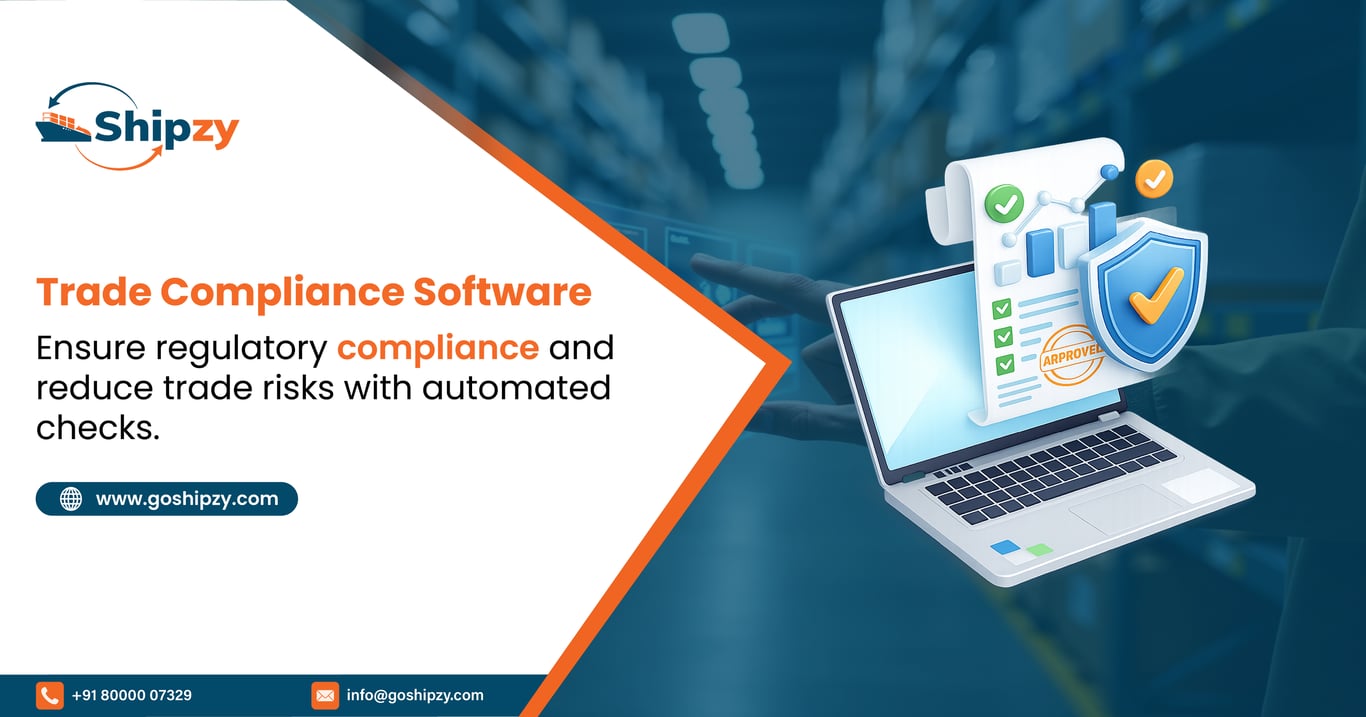
- Built-in trade compliance
- Denied & restricted party screening
- Integrated with documentation workflows
- Audit trails designed for US & global trade
Shipzy treats compliance as a core practice - because in export and global trade it really matters.
Documentation & Customs Support
SAP Global SCM
- Focuses on domestic supply chain documents
- Customs/export documentation often handled outside the tool
- Leads to disconnected workflows and re-entry of data
Shipzy
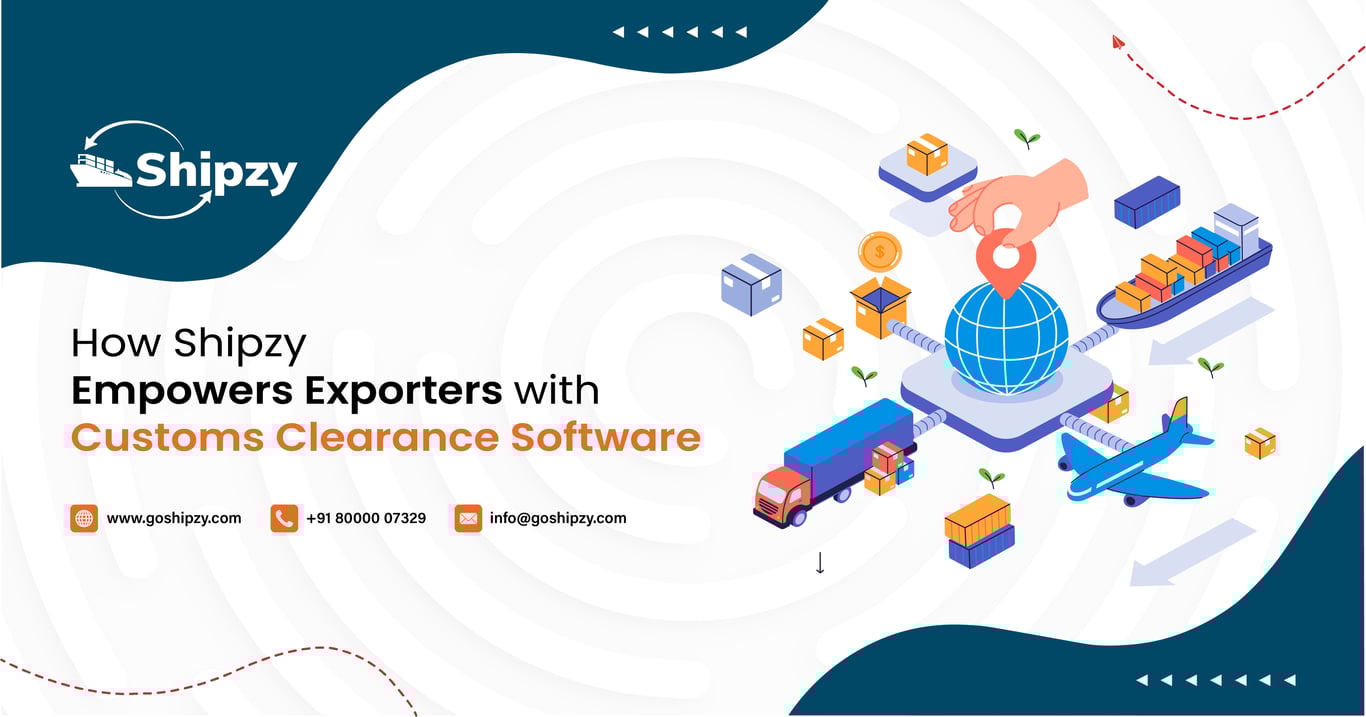
- End-to-end export documentation (commercial invoice, packing list, COO, etc.)
- Customs-ready data shared directly with brokers
- Reduces errors, delays, costly penalties
Shipzy creates ONE source of truth that flows from sales order → logistics → customs → finance.
⚙️ Implementation, Adoption & Total Cost
|
Factor |
SAP Global SCM |
Shipzy |
|
Implementation time |
6–18 months |
4–12 weeks |
|
Need for consultants |
High |
Optional |
|
Total cost of ownership |
Very high |
Moderate |
|
Dependency on IT |
High |
Low |
|
Training needed |
Significant |
Minimal |
With Shipzy, most customers start seeing real operational value within weeks, not quarters.
Visibility Into Operations
SAP Global SCM
- Often requires additional analytics tools
- Export visibility is an add-on or custom integration
Shipzy
- Out-of-the-box dashboards for:
- Shipment status
- Pending compliance checklist tasks
- Customs clearance status
- Shipzy drive
- Payments
- Container bookings, freights ETA, ETD
Global trade teams get predictive insights, not just reports.
Team Experience & Daily Use
SAP Global SCM
Teams often resist adoption due to complexity
- Heavy screens
- Complex workflows
- Deep ERP mindset required
- Limitation in modules
Shipzy
Designed for operations teams
- Simple UI
- Task-oriented navigation
- Guides users through compliance and export workflows
Shipzy looks like a workflow tool, not a monolithic ERP.
Real World Example (Typical BySea Freight Export)
|
Step |
SAP + Add-ons |
Shipzy |
|
Order intake |
Separate CRM / ERP |
Integrated |
|
Export documentation |
External tool / manual |
Auto-generated |
|
Compliance screen |
Manual or 3rd party |
Built-in |
|
Customs filing |
Separate platform |
Integrated checklist workflows |
|
Shipment tracking |
Multiple systems |
One dashboard |
Shipzy simplifies all stages of trade - not just planning.
Why Modern Exporters Choose Shipzy Over SAP
1. Built for exports & trade - not just planning
SAP shines in domestic manufacturing planning. Shipzy shines in export execution.
2. Faster to adopt and easier to use
No heavy consultants, no years of configuration.
3. Compliance is core - not optional
Denied party screening, audit trails, export rules are embedded.
4. Operations teams like using it
Better adoption leads to better outcomes.
When SAP Might Still Make Sense
SAP Global SCM is not “bad.” It’s just not built for export operations.
It’s best for:
- Large enterprises deeply invested in SAP
- Manufacturing + global production optimization
- Multi-plant internal supply chain flows
If your world is export operations, customs, documentation, and compliance, then a trade-focused platform wins every time.