Common risks in global trade include buyer non-payment, supplier failure, document discrepancies, cargo damage, shipment delays, currency movements and regulatory violations. Businesses can reduce their exposure through counterparty checks, clear contracts, suitable insurance, accurate records and defined approval responsibilities.
For Indian importers and exporters, regulatory checks should cover product classification, trade-policy restrictions, applicable registrations, customs declarations, product standards and foreign-exchange requirements. Exporters must also verify destination-country requirements before shipping.
The practical goal is to identify problems while they can still be corrected. This guide explains the main risks, the regulatory questions to ask and how connected export-management records can support better decisions.
What are the most common risks in global trade?
Risks often overlap. A document discrepancy can delay clearance, create storage charges and postpone payment. Reviewing each risk separately is useful, but managing the connections between them is what protects the transaction.
| Risk | What can go wrong | Practical mitigation |
| Buyer or supplier risk | Non-payment, non-delivery or misrepresentation | Verify counterparties and set exposure limits |
| Contract risk | Disputes over quality, delivery or responsibility | Record specifications, terms and acceptance conditions |
| Documentation risk | Conflicting quantities, values or shipment details | Compare documents against approved source records |
| Cargo risk | Damage, contamination, theft or temperature deviation | Appropriate packaging, inspections and insurance |
| Logistics risk | Missed bookings, delayed clearance or route disruption | Track deadlines, dependencies and alternatives |
| Financial risk | Currency losses and unexpected shipment costs | Review exposure and estimated versus actual costs |
| Regulatory risk | Missing permissions or incorrect declarations | Product- and destination-specific compliance checks |
| Fraud risk | Fake payment instructions or altered documents | Independent verification and controlled approvals |
How can you reduce payment and counterparty risks?
Check the buyer’s legal identity, trading history, payment behaviour and banking details before offering credit. For suppliers, verify capacity, quality controls and delivery commitments before paying substantial advances.
Match payment terms to the exposure. Advance payment, documentary credit and open-account arrangements create different responsibilities and risks.
ECGC offers policies covering specified commercial and political risks, subject to policy terms. Review buyer limits, reporting obligations, exclusions and claims conditions before relying on cover. Credit insurance and cargo insurance address different losses. वाणिज्य और उद्योग मंत्रालय, भारत सरकार।
Practical control: Verify any bank-account change through a previously established contact channel. An email requesting new payment details should not be sufficient authorisation.
How do clear contracts prevent avoidable disputes?
Document the product specification, quantity tolerance, packaging, inspection arrangements, payment terms and agreed delivery rule with its named place or port.
Also agree how claims, shortages and rejected goods will be handled. Delivery terms alone do not settle every issue, including ownership, payment timing or quality acceptance.
For example, a food exporter should clarify the required shelf life at delivery. Meeting the dispatch date may not resolve a dispute if the buyer expected a longer remaining shelf life.
How can you prevent documentation errors?
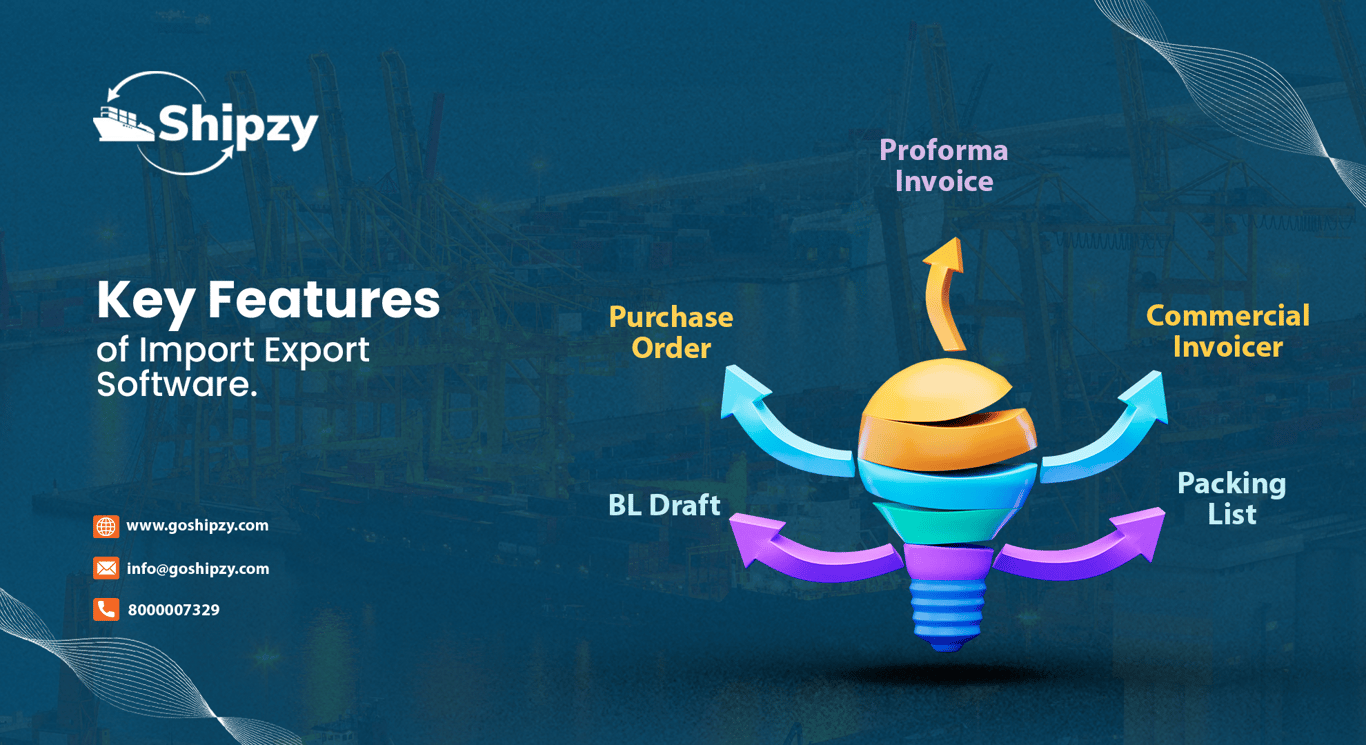
Use Shipzy or use one approved source for repeated information across the buyer PO, PI, commercial invoice, packing list and shipping instructions. Preserve revisions and check affected documents whenever quantities or packing change.
Example: A spice shipment contains 400 bags of 25 kg, totalling 10,000 kg. If packing changes to 20 kg bags, the package count becomes 500. Net weight remains unchanged, but related packing and transport records need revision.
An AI tool for export documentation errors can assist with comparisons. Require it to show conflicting values and source documents, with authorised staff approving corrections; Shipzy does this in user friendly way.
What regulatory requirements should you check?
1. IEC, classification and trade-policy status
DGFT generally requires an Importer Exporter Code for goods imports and exports, subject to specified exemptions. Classify the goods correctly under ITC(HS), then check the applicable policy and conditions.
A product described as “free” under trade policy can still be subject to other laws or requirements. Restricted goods may need authorisation, while prohibited goods cannot be treated as ordinary commercial shipments. content.dgft.gov.in
Keep the classification rationale and supporting specifications. Do not copy a supplier’s code without checking whether it describes your actual product.
2. Export controls and end-use checks
Check SCOMET applicability where relevant, including for chemicals, equipment, software and technology. DGFT identifies SCOMET as India’s national export-control list covering specified dual-use, munitions and nuclear-related items. content.dgft.gov.in
Review technical specifications, end user, intended use and destination. A familiar commercial product name is not enough to determine whether controls apply.
Escalate unclear cases before accepting delivery commitments or releasing goods.
3. Customs declarations and supporting documents
For exports, DGFT identifies the applicable transport document, commercial invoice cum packing list, and shipping bill or applicable export declaration as the core document categories. For imports, the customs declaration is generally the bill of entry. Separate invoices and packing lists are accepted. content.dgft.gov.in
Work with the customs broker to verify classification, valuation, origin and supporting records. Also review applicable duties, taxes, exemptions and any conditions attached to a preferential claim.
A certificate or declaration should be supported by evidence, not merely included because a template contains the field.
4. Product standards and sector-specific approvals
Requirements differ by commodity. Build a product-specific checklist rather than assuming that the same documents cover every shipment.
For imports, check whether a BIS Quality Control Order applies. BIS explains that specified products require compulsory conformity assessment under the relevant scheme. Review the order’s scope, effective date and exemptions before purchasing or shipping. Bureau of Indian Standards
Food importers should assess FSSAI licensing and clearance requirements. FSSAI’s Food Import Clearance System connects with Customs and supports document review, inspection and testing where applicable. fssai.gov.in
5. Banking and foreign-exchange obligations
Agree with the Authorised Dealer bank how export receipts or import payments will be documented and reconciled.
RBI’s current framework covers export realisation, import-payment monitoring and reporting through EDPMS and IDPMS. Applicable timelines and exceptions should be checked for the transaction rather than copied from an old checklist. rbi.org.in
Keep payment receipt, invoice reconciliation, eBRC generation and bank-confirmed closure as separate milestones.
6. Destination and transit requirements
Indian export clearance does not establish compliance in the destination market.
Before shipment, obtain a documented requirements checklist covering import permissions, labelling, product standards, packaging and any transit restrictions. Agree which party obtains each approval and who verifies it before dispatch.
For pharmaceuticals or chemicals, involve the relevant technical and regulatory specialists early.
How can you reduce cargo and logistics risks?
Choose packaging and handling arrangements for the product, transport mode and route. Record condition checks, loading evidence and relevant batch details.
For temperature-sensitive food or pharmaceutical products, agree the required conditions, monitoring arrangements and response to an excursion. For chemicals, confirm transport classification and the applicable safety-document requirements.
Compare freight offers using total applicable charges, free time, validity and exclusions. Track booking, cargo readiness, cut-offs and document readiness together.
Cargo insurance should be reviewed against the actual goods, route and risks. Do not assume every loss or delay is covered.
How do currency and hidden costs affect profitability?
A profitable quotation can become a weak shipment result after exchange-rate movements, additional handling, storage or inspection charges.
Track estimated costs against actual costs and identify outstanding bills. Use a consistent internal definition of order contribution:
Net sales revenue − product cost − attributable shipment costs
Finance should review foreign-currency exposure and discuss suitable risk-management options with its bank. Operations should separately explain cost overruns so pricing and planning can improve.
How can Shipzy support risk control?
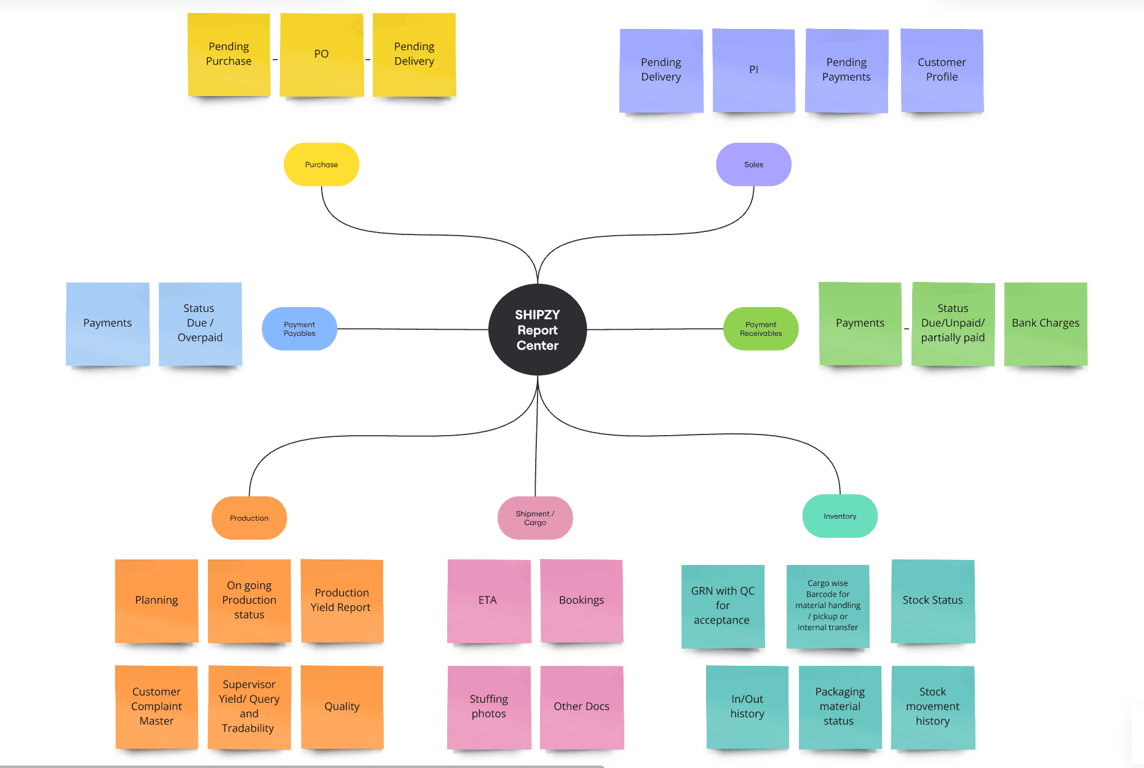
Shipzy’s features cover export documents, inventory, production, shipment workflows, expenses, reporting and centralised records. These capabilities can help teams connect commercial commitments with operational progress and financial information. goshipzy.com
Shipzy’s Order Insight documentation describes configurable stages and related updates as activities are completed. This can help management identify pending production, documents or payment follow-up within the order workflow. Shipzy
Software supports control when records are accurate and responsibilities are clear.
Put risk checks at decision points
Create a simple control process around four moments:
- Before accepting the order: Review counterparty, product, destination and payment exposure.
- Before procurement or production: Confirm specifications, permissions and commercial approvals.
- Before dispatch: Verify actual quantities, documents, transport readiness and required certificates.
- Before closure: Reconcile receipts, costs and outstanding regulatory follow-up.
Assign an owner and completion evidence to each check.
Key Takeaways
- Assess payment, cargo, document and regulatory risks together.
- Verify requirements for the actual product, destination and transaction.
- Recheck affected documents whenever commercial or packing details change.
- Separate insurance coverage, internal status updates and official confirmations.
- Give every unresolved risk an owner, deadline and supporting record.
FAQ
What are the biggest risks in international trade?
Major risks include non-payment, supplier failure, document errors, cargo damage, delays, currency movements and regulatory violations. Their importance depends on the goods, route, counterparties and payment terms.
What should Indian businesses check before importing cargo?
Check IEC requirements, product classification, import-policy conditions, customs valuation, duties and applicable product approvals. Depending on the goods, BIS, FSSAI or other sector-specific requirements may apply. content.dgft.gov.in
Does “free” export policy mean no compliance requirements?
No. “Free” trade-policy status does not remove requirements under other applicable laws. Product, destination, customs and banking checks may still be necessary. content.dgft.gov.in
Does export credit insurance cover cargo damage?
Export credit insurance addresses specified payment-related risks. Physical cargo loss or damage generally requires separate cargo cover. Review the actual policy terms rather than assuming one policy covers both exposures.
Can export software guarantee compliance?
No. Export software can organise records, support checks and track pending actions. Compliance still depends on correct information, applicable permissions, responsible review and completion of official processes.
How can Shipzy help reduce operational risk?
Shipzy can support shared documentation, order tracking, inventory visibility and expense reporting.